What he said…
I am a Tibetan Buddhist. Most of the time I keep pretty quiet about it if I am with non-Buddhists. It is not a religion that likes to convert or needs to share. It’s not really even a religion - at least in the usual way with a higher power and the like. I feel uncomfortable when asked to ‘explain’ it, and sometimes I feel I am being asked to justify Buddhism too. But I can’t.
The main practice is meditation. According to my limited understanding, the antidote to suffering is meditation, at least in the Buddhist tradition - a way of working with the mind and emotions in an attempt to make them more manageable, so thoughts and feelings do not control us. Then, when we can do that, we can begin investigating the nature of reality. However, don’t take my clumsy explanation for it. Here are the words of the Karmapa, the head of the lineage I am part of:
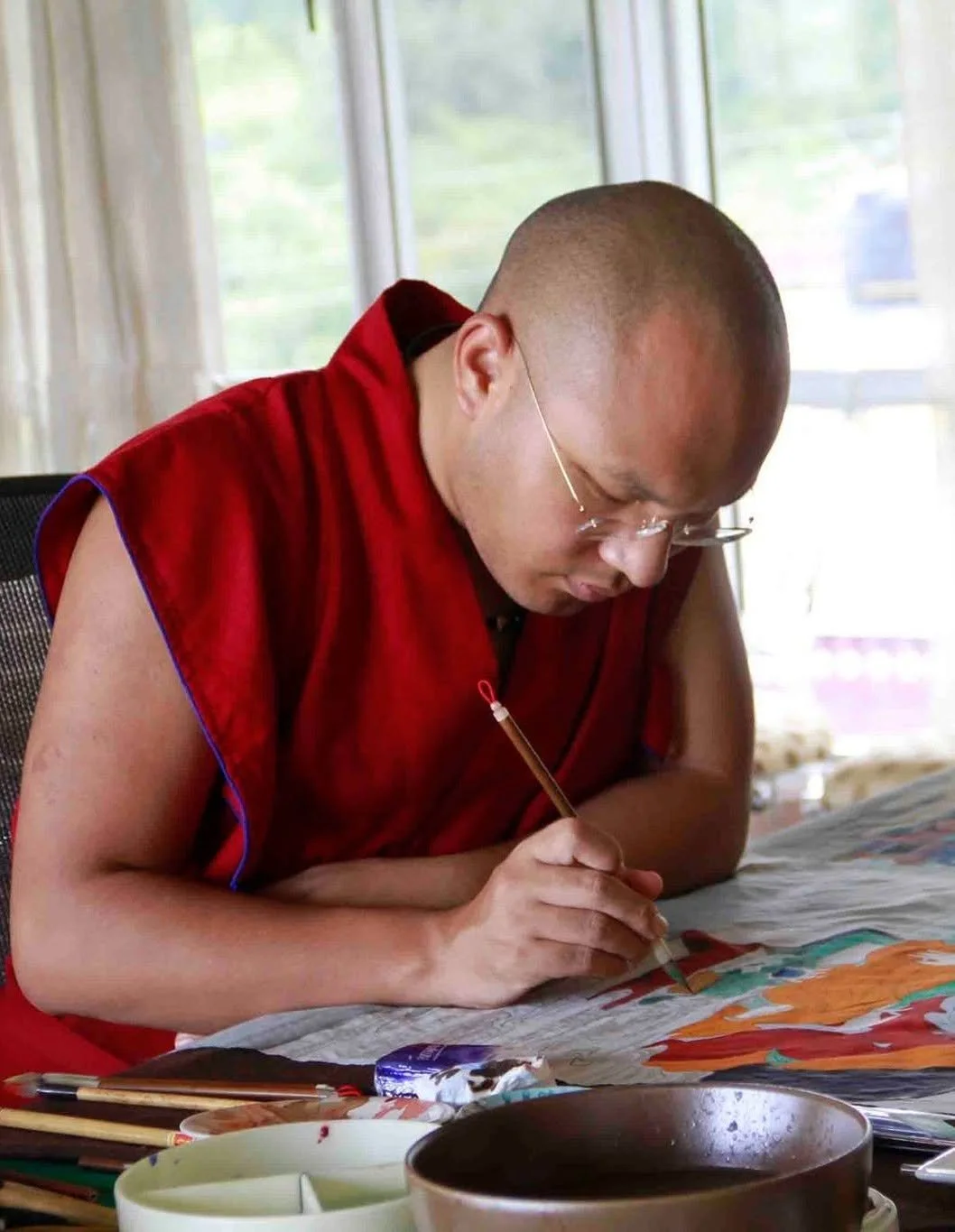
His Holiness the 17th Karmapa Ogyen Trinley Dorje
The 37 Practices of a Bodhisattva
The Riverside Church, New York, New York — May 30, 2018
“When something painful arises—a harsh word, a difficult person, a wave of sorrow—it can feel overwhelmingly real, as if the experience itself carries the power to wound us deeply.
But the teaching invites us to pause and look more closely.
All suffering, it says, is like dreaming that someone we love has died. In the dream, the grief is real, heavy, and consuming. Yet upon waking, we see clearly: nothing has truly happened. The pain came not from reality itself, but from how the mind held the experience to be real.
In the same way, the difficulties we face in waking life—though vivid and undeniable—are not as solid as they seem. They arise from causes and conditions, appear for a time, and pass away. Like reflections on a screen or images in a dream, they lack any fixed essence.
What exhausts us is not the experience itself, but our habit of clinging to it—labeling, judging, and believing: “This is real. This is happening to me.”
A bodhisattva learns to meet even the most difficult moments with a different understanding. Without denying appearances, they gently loosen the grip of identification. “This too,” they recognize, “is like a dream—an appearance without solid ground.”
In doing so, the weight begins to lift.
We do not need to reject the world, nor deny what we feel. The practice is simply to release the belief that what appears is ultimately real and fixed. When this clinging softens, suffering also softens.
The problem has never been the world itself—but how the mind relates to it.
To see this clearly is to begin to be free.”
This is the territory I work in with clients — working towards and then catching the moment when a story that has been underpinning your life finally loosens its grip.
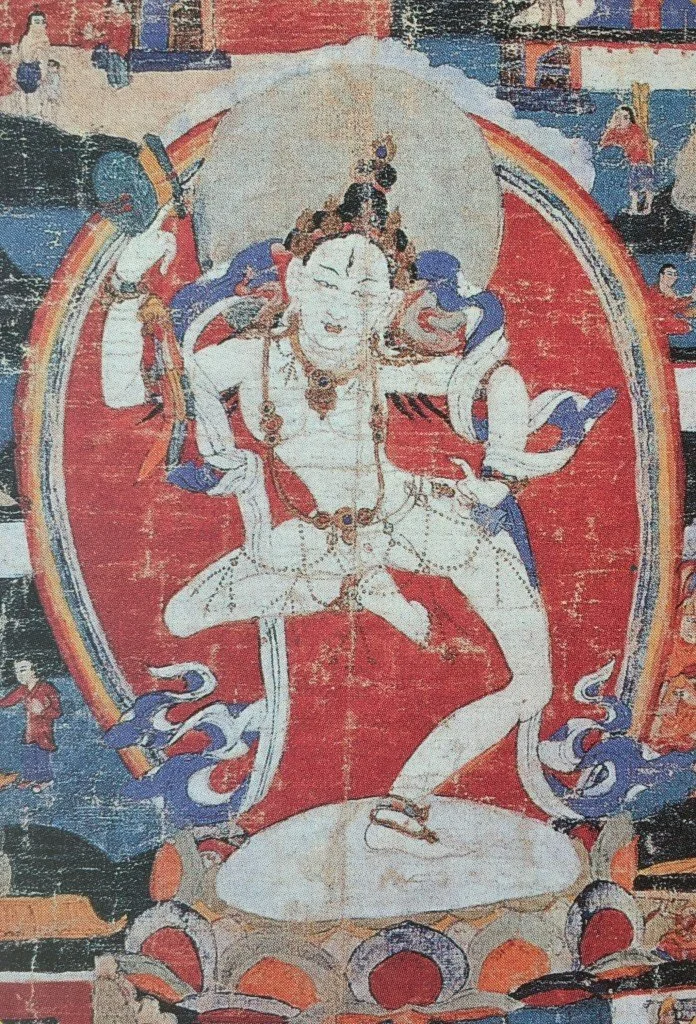
My favourite saying by Machig Lapdron, an 11th-century saint: